
Dysautonomia Treatment
Clear, understanding support for nervous system symptoms that affect daily life.
Understanding dysautonomia
Dysautonomia is an umbrella term for conditions where the autonomic nervous system (ANS) doesn’t regulate the body as smoothly as it should.
The ANS controls automatic functions such as:
Sweating
Thirst
Digestion
Stress
Heart rate
Blood pressure
Blood flow
Temperature regulation
Dysautonomia involves an imbalance between the sympathetic nervous system (often associated with ‘fight or flight’) and the parasympathetic nervous system, which supports rest, recovery, and regulation.
Many people experience dysautonomia through more commonly recognised patterns like postural orthostatic tachycardia syndrome (POTS) or orthostatic intolerance (OI). While the terms are often used interchangeably, they describe how symptoms appear rather than completely separate conditions.

How dysautonomia affects the body
At the centre of dysautonomia is difficulty tolerating upright posture, particularly when sitting or standing. When your body struggles to regulate blood flow against gravity, symptoms emerge. Understanding this postural pattern often helps explain why symptoms fluctuate and why rest or position changes can bring relief.
Common dysautonomia symptoms include:
Intolerance to heat and/or sitting or standing upright
Fast heartbeat or heart palpitations
Drops or instability in blood pressure
Dizziness or feeling faint
Brain fog
Excessive thirst
Excessive sweating
Pain, numbness, or tingling in the limbs
Symptoms improve when sitting or lying down
Issues with kidney function and immune function

What is orthostatic intolerance (OI)?
Orthostatic intolerance (OI) refers to having difficulty tolerating an upright posture.
With OI, symptoms are triggered or worsened by standing or prolonged sitting and typically ease when lying down. This happens when the body struggles to regulate blood flow, blood volume, and heart rate against gravity.
OI exists on a spectrum. Some people have mild symptoms that fluctuate, while others experience significant limitations in daily functioning.
Symptoms of orthostatic intolerance may include:
Dizziness or feeling faint
Heart palpitations or a fast heartbeat
Fatigue or sudden drops in energy
Body temperature dysregulation
Sensory sensitivity
Brain fog or blurred vision
What is POTS?
Postural orthostatic tachycardia syndrome (POTS) is a specific form of dysautonomia where the heart rate rises excessively when standing, without a corresponding drop in blood pressure.
In POTS, the autonomic nervous system struggles to regulate heart rate and blood flow efficiently. This can lead to symptoms such as:
Fast heartbeat or heart palpitations when upright
Dizziness or feeling faint
Chest pain or discomfort
Exercise intolerance
Brain fog
Fatigue
Gastrointestinal symptoms
POTS is diagnosed based on heart rate and symptom response to posture, not just how someone feels on a good day. It’s also important to know that POTS symptoms can fluctuate and may not show up consistently in every medical test.

What causes and triggers autonomic nervous system dysfunction?
Dysautonomia, POTS, and orthostatic intolerance don’t have a single cause. Instead, they often develop through overlapping factors that affect autonomic dysfunction.
Understanding your personal triggers is an important step in managing symptoms safely. At Heal & Thrive, that's one of the ways I help to improve your quality of life.
Potential contributing factors that may trigger dysautonomia include:
Viral or post-infectious illness
Autoimmune conditions
Connective tissue disorders
Hormonal changes
Nervous system sensitisation
Immune system dysregulation
Reduced blood volume
Prolonged stress or trauma
Common triggers that can worsen symptoms include:
Prolonged standing
Heat or hot showers
Dehydration
Rapid position changes
Physical or mental overexertion
Illness or poor sleep
How dysautonomia is diagnosed
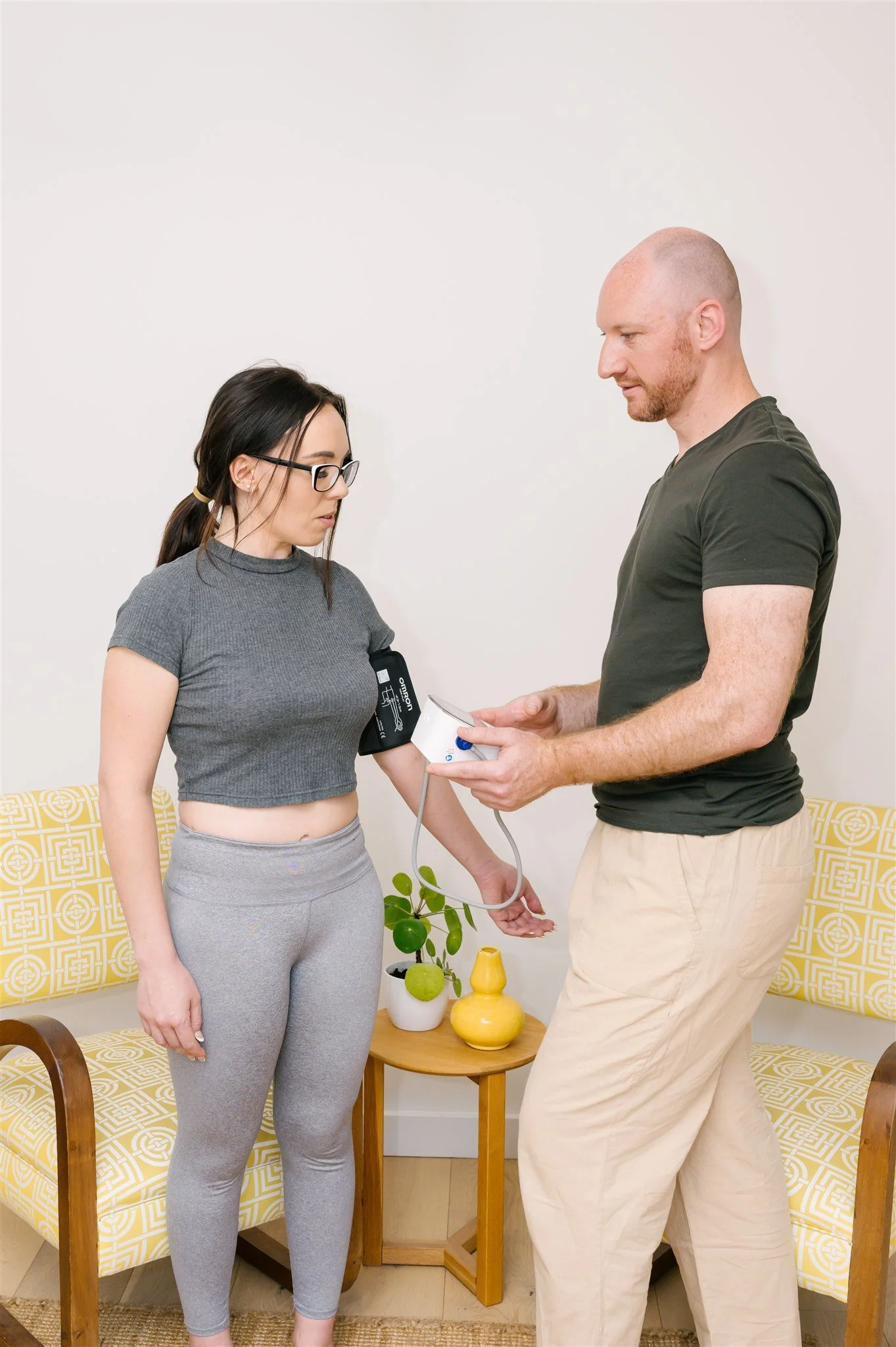
Diagnosis usually involves a combination of your clinical history, symptom patterns, and testing for specific symptoms. However, a diagnosis doesn’t always capture the full picture, which is why symptom patterns and day-to-day responses matter.
Your GP or specialist may use tools such as:
An active standing test
A tilt table test
Heart rate and blood pressure monitoring
Blood tests to exclude other causes

Severity and daily impact
Dysautonomia affects everybody differently.
Some people can manage symptoms with adjustments, while others experience significant limitations that affect work, study, social connection, and independence. No matter how it affects you, your experience is valid, regardless of how visible or invisible your symptoms appear.
Daily life may be impacted by:
Reduced stamina and energy levels
Difficulty standing, commuting, or shopping
Fear of symptom flares in public
Changes to identity and confidence
Mental health strain related to unpredictability
Overlap with ME/CFS, fibromyalgia, and long COVID
Dysautonomia frequently overlaps with other chronic conditions, including:
Myalgic encephalomyelitis/chronic fatigue syndrome (ME/CFS)
Fibromyalgia
Long COVID
These conditions share features such as fatigue, brain fog, exercise intolerance, pain, and autonomic nervous system sensitivity. Recognising overlap is important because it influences pacing, movement tolerance, and recovery strategies.

What is the prognosis for people with dysautonomia?
Dysautonomia is often a long-term condition, but symptoms can improve with the right support.
Progress to manage or improve symptoms doesn't follow a set of rules or timelines. Many people experience fluctuations, improvements, setbacks, and periods of stability. With education, pacing, and symptom-aware care, many people find ways to improve daily functioning and quality of life over time.
Treating dysautonomia
Medical management is an important foundation and usually begins with your GP or specialist. Most people benefit from a combination of medical and supportive approaches rather than a single solution.
Common medical strategies may include:
Increasing hydration
Increasing salt intake (when appropriate)
Compression garments to improve blood flow
Medications to support heart rate or blood pressure
Lifestyle and behavioural strategies often play an equally important role. At Heal & Thrive, we'll work on strategies such as:
Postural pacing
Avoiding aggravating physical activity
Heat management
Stress management
Want to learn more?
You can find out more about the sympathetic nervous system, parasympathetic nervous system, and autonomic disorders at:
How I approach your treatment plan
Symptom-aware pacing
I help you understand how posture, activity, stress, and daily demands affect your symptoms, so you can pace more confidently and reduce flare-ups.
Nervous system regulation
I use strategies that support autonomic function, vagus nerve signalling, and recovery, helping your body feel safer and more regulated
Movement without pushing
Movement, when used, is optional and carefully adapted. The goal is supporting circulation and confidence without triggering symptoms, not pushing performance.
Answering your autonomic dysfunction questions
-
Dysautonomia is the umbrella term for autonomic disorders that affect how the nervous system regulates things like heart rate, blood pressure, and temperature. Orthostatic intolerance describes difficulty tolerating upright posture, while POTS is a specific diagnosis defined by an excessive heart rate increase when standing.
In practice, many people experience features of all three. My role isn’t to force you into a neat label, but to help you understand how your symptoms behave and how to manage them in daily life.
-
POTS is not caused by anxiety; however, many people who have POTS may be mistakenly diagnosed with anxiety. It involves real changes in autonomic function, heart rate regulation, and blood flow.
That said, living with unpredictable symptoms can understandably affect mental health. Part of my work is helping you separate nervous-system-driven symptoms from emotional responses, so fear and uncertainty don’t amplify physical symptoms unnecessarily.
-
Diagnosis usually involves a combination of symptom history, posture-based testing (such as an active standing test or tilt table test), and ruling out other causes through blood tests.
Some people are told they 'don’t have POTS' because they didn’t meet strict criteria on one test, even though their lived experience clearly points to autonomic dysfunction. I work with your symptoms and patterns, not just test results.
-
Autonomic symptoms can fluctuate from day to day and may not always show up during testing. Many people experience orthostatic intolerance or dysautonomia without meeting formal POTS criteria. My approach focuses on helping you manage the symptoms you actually experience, regardless of whether a specific diagnosis is confirmed.
-
Standing, heat, and hot showers all increase the demand on your autonomic nervous system. Blood pools in the lower body, heart rate rises, and blood pressure regulation becomes harder.
Understanding these patterns allows us to plan pacing strategies, posture changes, and recovery supports that reduce symptom flares rather than pushing through them.
-
Exercise can help some people, but only when carefully adapted. For others, especially early on, exercise intolerance is a real and limiting symptom.
I don’t prescribe exercise programs or push graded exercise. Instead, I help you explore movement only when appropriate, using symptom feedback, pacing, and flexibility so you don’t worsen symptoms.
-
Yes. Dysautonomia commonly overlaps with ME/CFS and Long COVID, particularly when fatigue, post-exertional symptoms, and autonomic instability are present.
Recognising this overlap helps explain why standard rehabilitation approaches don’t always work and why pacing and nervous system support are so important.
-
Absolutely. Fluctuation is one of the defining features of autonomic conditions. Good days and bad days don’t mean you’re improving or regressing; they’re part of how the condition behaves. My role is to help you respond to these fluctuations without fear or overcorrection.
-
Some people experience long-term symptoms, while others improve significantly over time. While dysautonomia may not have a simple cure, symptoms can often be managed more effectively with the right support.
At Heal & Thrive, my focus is on improving daily functioning, predictability, and quality of life, even when symptoms are still present.
Support your nervous system with care and understanding
Living with dysautonomia, POTS, or orthostatic intolerance can feel isolating, especially when symptoms don’t follow clear rules. Whether you've been dealing with your symptoms for years or if they're brand new, you don’t have to navigate them alone.
If you’re looking for calm, informed, and realistic support that respects your body’s limits, book an initial consultation or a free 15-minute call to see whether Heal & Thrive is right for you.