
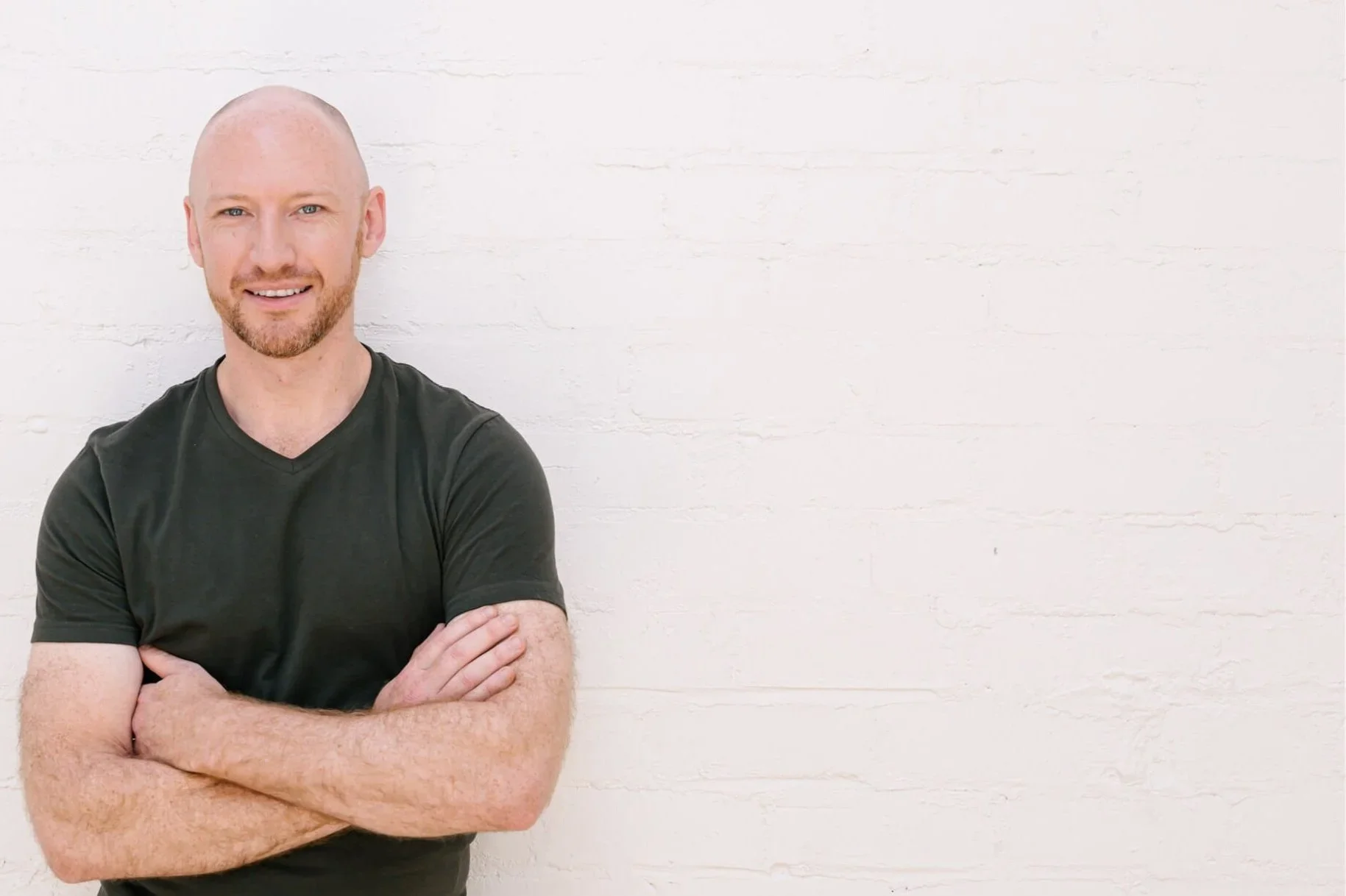
Holistic Pain Management
Your partner in managing chronic pain and fatigue.
Welcome to where you can feel understood
At Heal & Thrive, I support people living with chronic pain, fatigue, and nervous system symptoms to rebuild confidence and steadiness in their daily lives. My approach is evidence-based and centred around your goals.
Together, we focus on understanding your body's needs, creating more predictable days, and gradually expanding your capacity. With this approach, we can help you return to the activities that bring meaning, connection, and joy.

Conditions I support
I work with a range of invisible chronic pain conditions, particularly where persistent pain, fatigue, and nervous system symptoms overlap. Some of the conditions I support with chronic pain treatment include:
-
ME/CFS is a complex condition that affects multiple body systems and causes a level of exhaustion that isn’t relieved by rest. Daily activities that once felt routine can become difficult to manage, and many people find their capacity varies unpredictably.
-
Fibromyalgia involves widespread pain, deep fatigue, and unrefreshing sleep, often paired with cognitive or emotional strain. Many people describe feeling that ordinary stressors, movement, or sensory input can amplify symptoms and make days harder to predict.
-
Long COVID includes health changes that continue well after the initial infection, regardless of how mild or severe the illness was. Some people notice reduced stamina, slower recovery, or a sense that their system no longer tolerates exertion the way it used to.
-
Dysautonomia is a disruption in the autonomic nervous system, which is the part of the body that manages heart rate, blood pressure, digestion, and temperature regulation. When this system becomes unstable, everyday activities like standing, concentrating, or coping with heat can feel unexpectedly difficult.
-
Chronic pain is pain that lasts longer than 3–6 months, continuing beyond the typical healing period for an injury or illness, even when no active tissue damage is present. It often starts as an acute injury but can develop into a long-term condition due to changes in how the nervous and immune systems process pain signals.
This process, known as sensitisation, means the body becomes more sensitive to pain over time, even in the absence of an active injury. Chronic pain can affect every aspect of life, from physical functioning to emotional well-being, making it a challenging condition to manage without the right support.
-
Post-vaccine syndrome, sometimes called “long vax” describes prolonged symptoms such as fatigue, brain fog, dizziness, neuropathic pain, or dysautonomia (e.g., POTS), following COVID-19 vaccination. Many affected individuals report feeling dismissed or misunderstood by healthcare systems and lack access to support or compensation programs.
Read more about how I can help with Vaccine injuries here
-
Complex Regional Pain Syndrome (CRPS) is a chronic pain condition that typically affects a limb after an injury, surgery, or trauma. It is characterised by severe, persistent pain that is often out of proportion to the original injury.
What makes CRPS unique is its complex nature, which can cause changes in skin colour, temperature, and swelling in the affected area. These symptoms may fluctuate or worsen over time. Adding to its challenges, CRPS often doesn’t appear on traditional imaging, making diagnosis and treatment more difficult.
-
Functional Neurological Disorder (FND) is a condition that affects how the brain and nervous system send and receive signals, leading to symptoms that can mimic neurological conditions like seizures, stroke, or multiple sclerosis. Unlike these conditions, FND occurs without structural damage or disease in the nervous system, making it a functional issue rather than a structural one.
Common symptoms include weakness or paralysis, tremors, non-epileptic seizures, speech difficulties, and sensory changes. These symptoms can vary greatly between individuals and may fluctuate over time. FND is often associated with stress, trauma, or other co-existing conditions, and it can significantly impact daily life.
-
Overtraining Syndrome (OTS) is a condition that occurs when the body is unable to recover adequately from excessive physical training or prolonged stress. This results in a state of chronic fatigue and impaired performance, even with rest. While it often begins with overloading the body through intense training, it can also be influenced by other stressors, such as insufficient sleep, poor nutrition, and emotional or psychological strain.
OTS shares many similarities with Myalgic Encephalomyelitis/Chronic Fatigue Syndrome (ME/CFS), with hallmark symptoms including persistent fatigue, post-exertional malaise (PEM), unrefreshing sleep, and cognitive difficulties (commonly referred to as "brain fog"). Symptoms can worsen with continued physical or mental exertion, leading to a prolonged recovery process.
Managing OTS involves identifying and addressing all contributing factors, including reducing training load, prioritising rest and recovery, and optimising nutrition, sleep, and stress management.

About my approach
Living with chronic pain and fatigue isn’t just painful physically; it can be painful emotionally. You may look ‘fine’ on the outside, but inside you’re exhausted, overwhelmed, and constantly juggling symptoms, appointments, and well-meaning advice that doesn’t always fit.
I’m Rob Nash, and after my personal journey to overcome chronic neck pain, I understand how isolating it can feel when your experience with pain isn’t fully heard.
If you’ve tried new strategies only to flare up again or feel like you’re back at square one, I’m here to help. We’ll move at your pace, guided by your lived experience and what matters most to you.

What you can expect
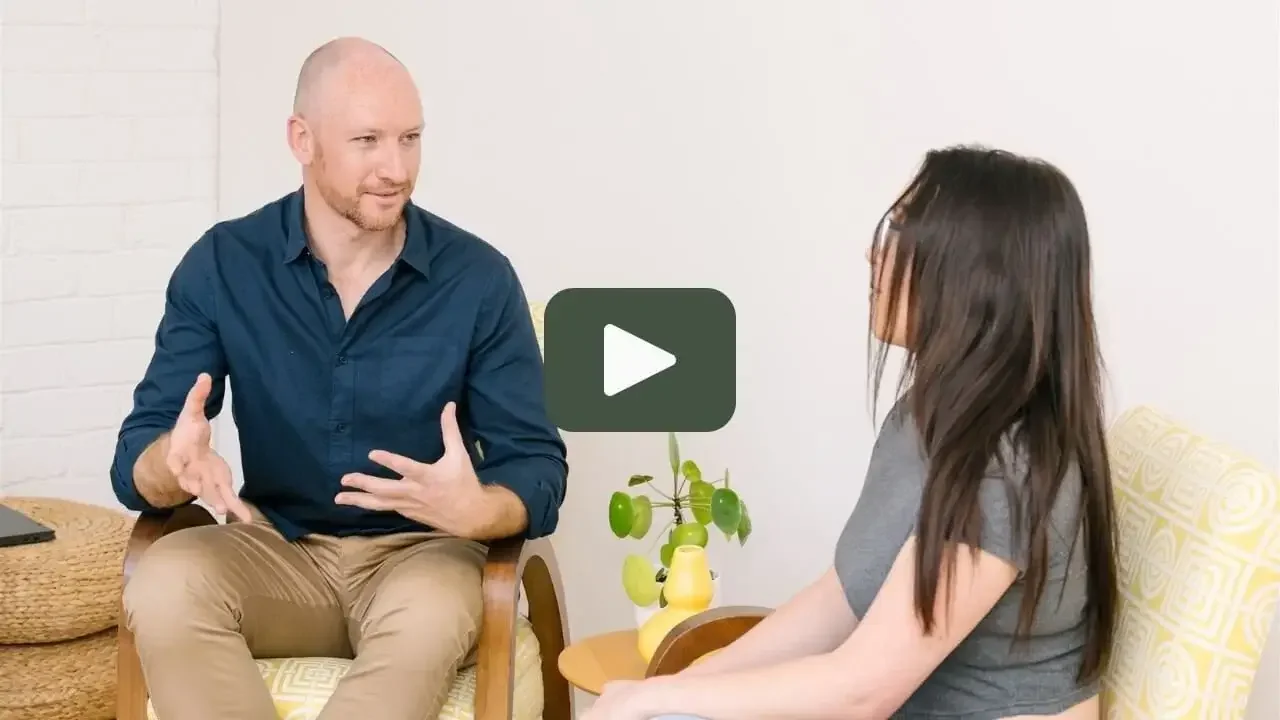
Online pain and fatigue consultations
I provide personalised Telehealth sessions focused on your goals, symptoms, and daily life.
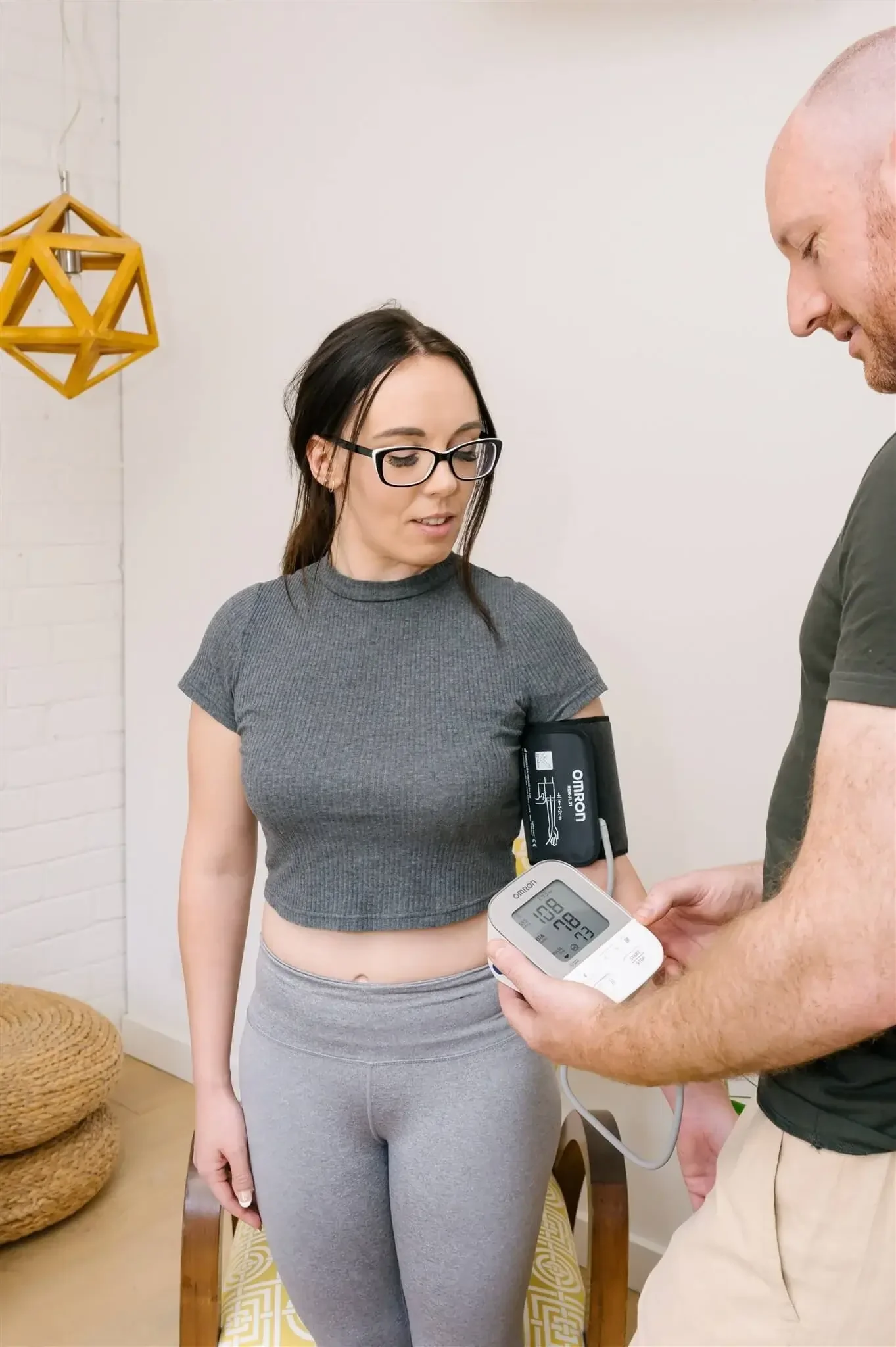
Each consultation includes a comprehensive assessment of your pain experience, functional capacity, and key triggers.
Customised treatment plans
You won’t find any one-size-fits-all programs here.
Together, we develop a plan tailored to your symptoms, goals, and circumstances, whether you’re newly diagnosed or have tried other approaches without lasting relief.
Collaboration
Your care doesn’t happen in isolation.
I work alongside your GP and other health professionals, and can refer you on when needed to ensure you receive coordinated, aligned support.
Areas we may focus on:
Understanding your conditions
Functional goal setting
Trigger identification and elimination
Proactive pacing strategies
Reducing symptom flare-ups
Managing setbacks
Optimising sleep
OI and POTS management
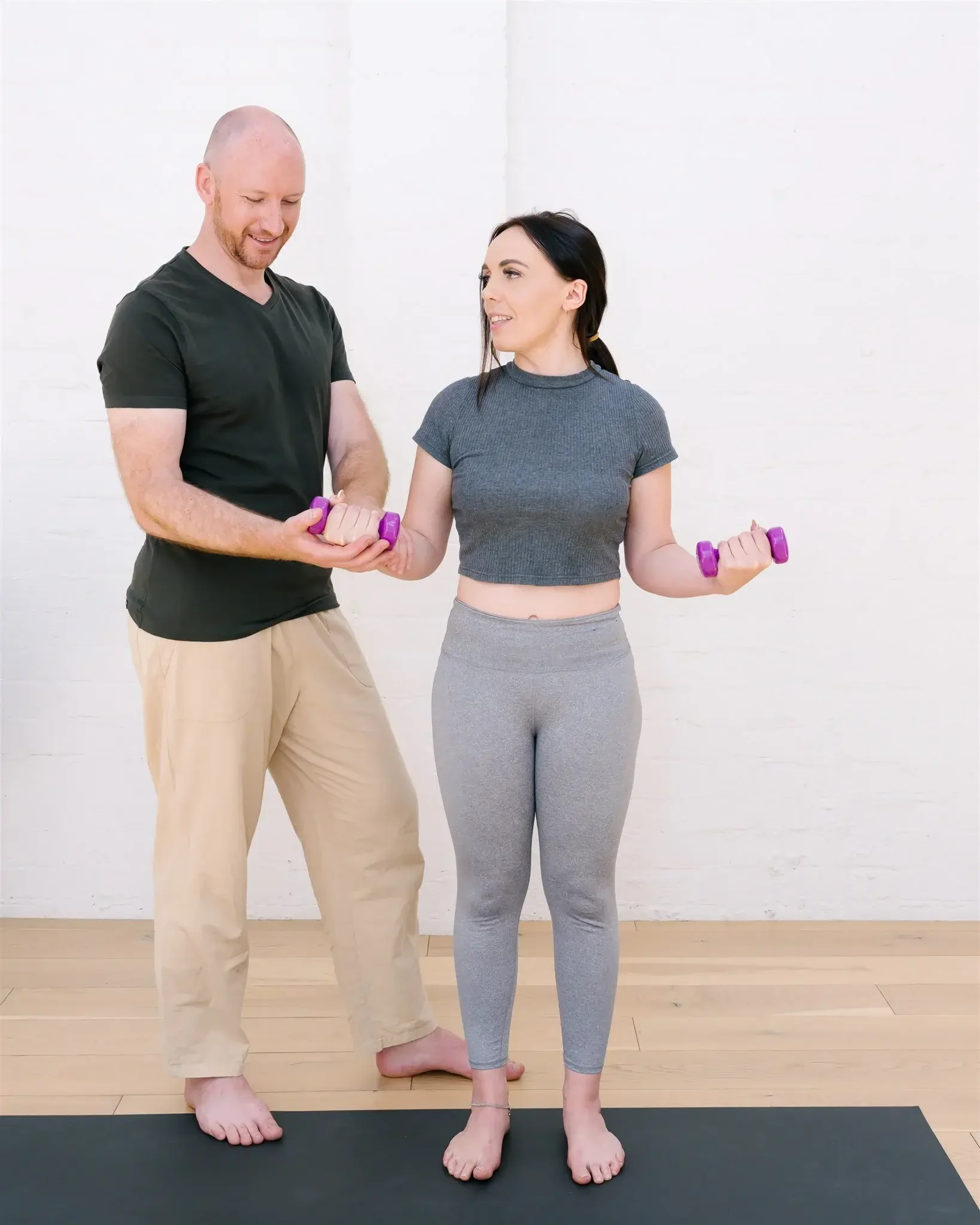
Safe and sustainable exercise and movement without exacerbating pain levels or physical function
Rest, recovery, and relaxation strategies
Vagus nerve and parasympathetic activation
Somatic embodiment and breathwork practices
Pain reprocessing therapy
Graded Motor Imagery (GMI)
Why Heal & Thrive?
Evidence-based, non-invasive support
I use education, pacing and nervous-system strategies grounded in research to support chronic pain management.
Personal and client experience with chronic illness
My lived and clinical experience with chronic pain conditions helps me understand psychological factors, pain perception, and daily function.
Focus on recovery and well-being
I prioritise quality of life, mental health, and gradual change so you can reduce pain and participate more fully in everyday life.
Stories of hope from those I’ve helped
-
![Heal and Thrive Logo]()
“Rob’s patient guidance has transformed how I approach and manage my body’s challenges.”
Rob doesn’t just offer solutions; he equips you with understanding and practical tools for everyday life. I am deeply grateful to have him as part of my care team. Thank you, Rob, for your unwavering dedication, creativity, and transformative care.
– Alex E, Lilydale, Victoria
-
![Heal and Thrive Logo]()
“He approached my concerns and story with consideration, care and compassion"
Rob was incredibly helpful and professional in guiding me in the right way on my healing journey. His advice and methods were very practical and engaging, and he approached my concerns and story with consideration, care and compassion. I highly recommend him.
- Natasha G, Greensborough, Victoria
-
![Heal and Thrive Logo]()
"I came to understand why things hurt and how to deal with the pain.”
Through exercise and study I learned to understand discomfort and not fear it…Exercise, gentle self assurance of mind body interactions and medical support helps me to live peacefully as I age! You can trust Rob’s wisdom, care and skill! I did!
- Andy, Thornbury, Victoria
-
![Heal and Thrive Logo]()
"I'm back to working and participating in some of the activities I love"
I had a great experience working with Rob to develop an understanding of my chronic conditions and how I would move forward. He was considerate of my prior experiences, receptive to my unique needs and circumstances and was happy to provide resources and research I could look through outside our sessions as well.
- Sez, Melbourne, Victoria
-
![]()
"You have given me confidence and hope that things can actually improve and that I can derive some satisfaction from everyday small achievements"
I have seen enumerable specialists over many many years and whilst some have been good, I have not had exceptional results with many. However…I can honestly say that your advice and strategies have been invaluable!
I can't thank you enough for this. I really appreciate your insights, your ability to communicate in layman's terms and your practicality.
Tina, Melbourne, Victoria
-
![]()
"Thank you for improving my life"
The advice and tasks that you gave me has helped me so much, I've applied them and it's opened my life back up. I feel super grateful and like I have the best exercise physiologist ever!
Tori, Melbourne

Answering your questions about managing chronic pain
-
Many people with persistent pain have already tried physiotherapy, occupational therapy, or exercise programs that focused mainly on strength, range of motion, or acute pain recovery. At Heal & Thrive, I look more closely at your central nervous system, pain sensitivity, psychological factors, pacing, flare-up patterns, and pain perception, which can play a major role in chronic pain conditions.
Rather than pushing physical activity through graded loading, we explore self-management, symptom awareness, and nervous-system down-regulation so you can reduce pain without exacerbating symptoms.
-
Yes, you can. However, this is up to you and your healthcare team. Decisions about your medication or pain relief should always remain with your GP or specialist.
Our work focuses on patient education, pacing, lifestyle changes, and non-drug pain management strategies, which can sit alongside conventional treatment for chronic conditions and acute pain.
-
Absolutely! I encourage collaboration with all types of practitioners. I’m happy to share updates (with consent) with your GP, psychologist, occupational therapist, pain clinicians, physiotherapist, or other health professionals, so your care remains coordinated. My aim is to complement other therapies, not replace them. I'm also happy to refer you where appropriate.
-
Most of my clients are adults with chronic pain, fatigue, or nervous system symptoms, but I can support children and teenagers if appropriate. When supporting young people, I prioritise patient education and simple self-management skills around pacing and physical function, just as I do with adults. No matter your age, I provide supportive, realistic guidance that meets you where you are.
-
There's no one-size-fits-all approach for managing chronic pain. The timeline for your treatment will depend on your condition, pain experience, pain intensity, and symptoms, and factors like whether you have neuropathic pain will also play into our treatment strategies. I'll discuss my ideas for your treatment with you and get your input before we make any decisions.
-
Invisible illnesses don't fit into neat little boxes, and neither does my approach. I'm happy to help with any persistent pain, regardless of whether you have a chronic pain and fatigue syndrome diagnosis or are unsure where to turn to for pain management.