
Long COVID Treatment
Telehealth support for ongoing symptoms after COVID-19, at a pace your body can tolerate.
Learn about Long COVID
Long COVID, also known as post-acute sequelae of COVID-19, describes a range of ongoing symptoms that remain after the initial SARS CoV 2 infection has passed.
For many people, it shows up as fatigue, breathlessness, light-headedness, unrefreshing sleep, cognitive fog, or a general feeling of being 'slowed down'. These symptoms are real and can impact daily life, but with the right support, many people experience improvement over time.
One of the defining features of Long COVID is variation. People experience different symptoms, different patterns of onset, and different trajectories of recovery. Some who develop Long COVID see gradual improvement, while others experience persistent symptoms that fluctuate or worsen after exertion.


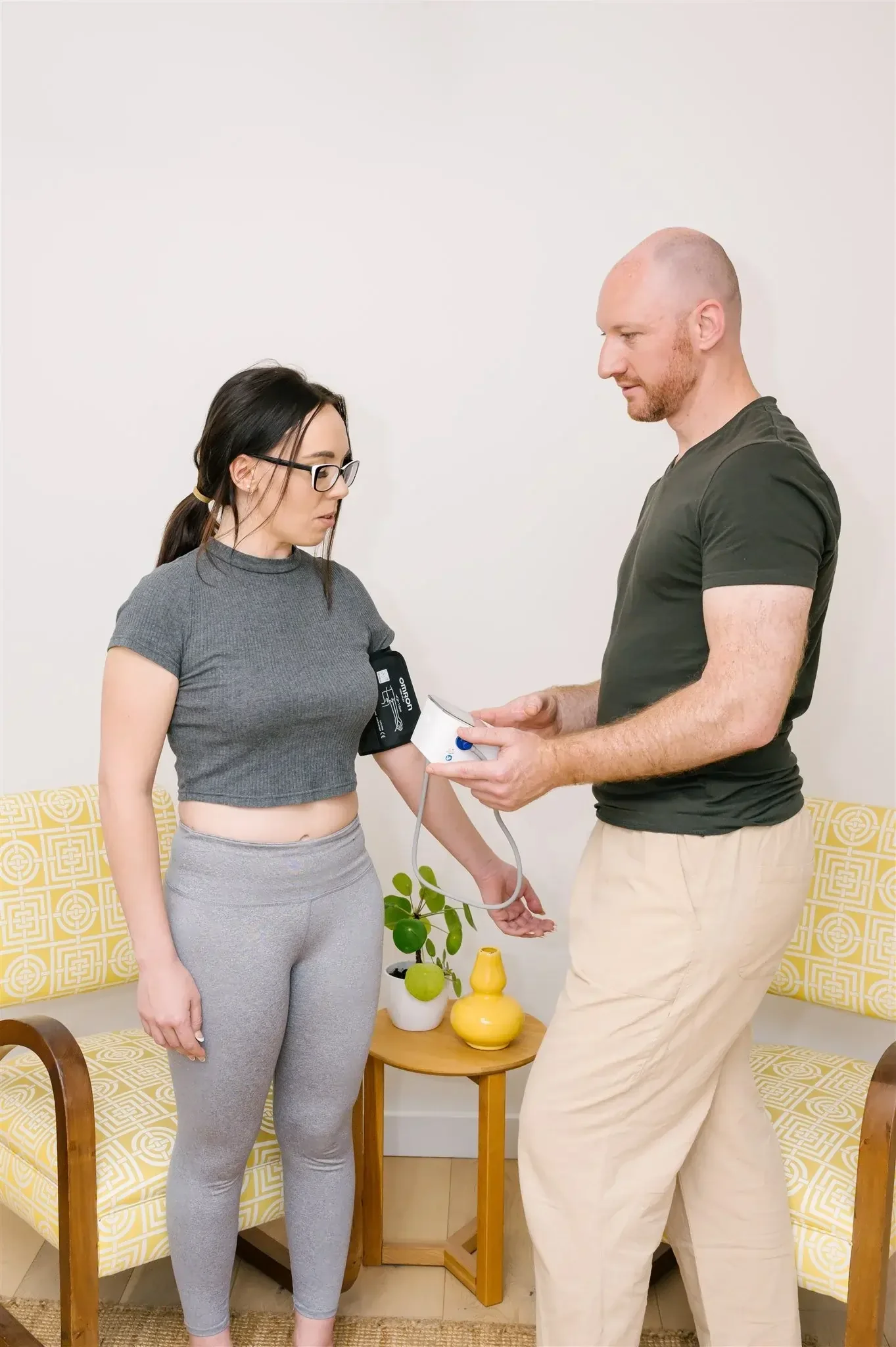
Symptoms of long COVID
Long COVID symptoms vary from person to person, but common symptoms include:
Fatigue or reduced stamina
Post-exertional symptom exacerbation (PESE)
Post-exertional malaise (PEM)
Orthostatic intolerance or POTS-like symptoms (tachycardia, blood pressure drops, dizziness, heat intolerance)
Cognitive dysfunction or brain fog (trouble thinking, memory issues, mental exertion intolerance)
Shortness of breath or chest discomfort
Sleep disturbance or unrefreshing sleep
Pain (muscle pain, joint pain, headaches, chest pain)
Sensory sensitivity (light, sound, temperature)
Anxiety or depression related to prolonged illness
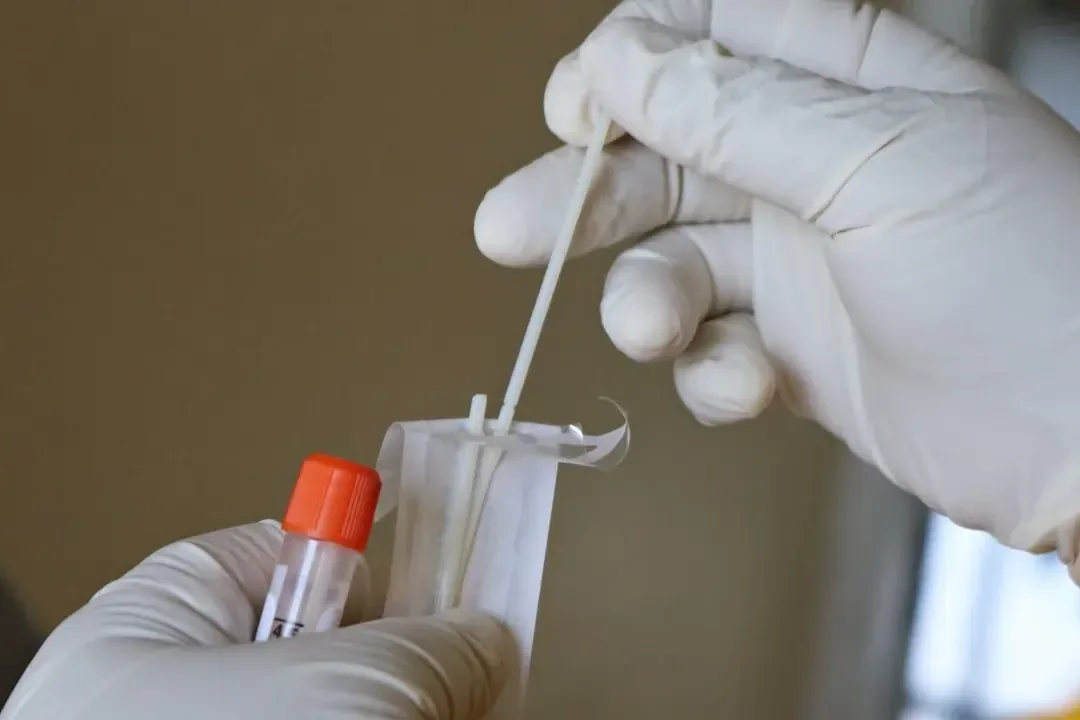
What causes and triggers Long COVID?
COVID-19 is one of many infectious diseases that can lead to longer-lasting ongoing symptoms in some people. While some factors may be associated with an increased risk, the exact cause of Long COVID is still being studied.
Several overlapping mechanisms may contribute, including:
Ongoing immune or inflammatory responses following SARS-CoV-2 infection
Autonomic dysfunction that affects heart rate and blood pressure
Nervous system sensitisation
Viral persistence or delayed recovery processes
Disruption to energy regulation and recovery
Long COVID can follow acute COVID-19 (coronavirus disease 2019), regardless of whether the initial illness required hospitalisation. Most people recover fully, but a significant minority experience symptoms lasting more than two months.
How Long COVID is diagnosed
Most people I work with have already seen their GP or specialist, or strongly suspect Long COVID because COVID-19 was a clear turning point in their health.
There is no single test for Long COVID. Diagnosis is based on clinical history, persistent symptoms, and excluding other conditions.
Diagnosis usually involves:
Reviewing the timing of symptom onset after acute infection
Excluding alternative diagnoses
Blood tests or investigations to rule out other causes
Referral to a Long COVID clinic, cardiologist, or respiratory physician when appropriate
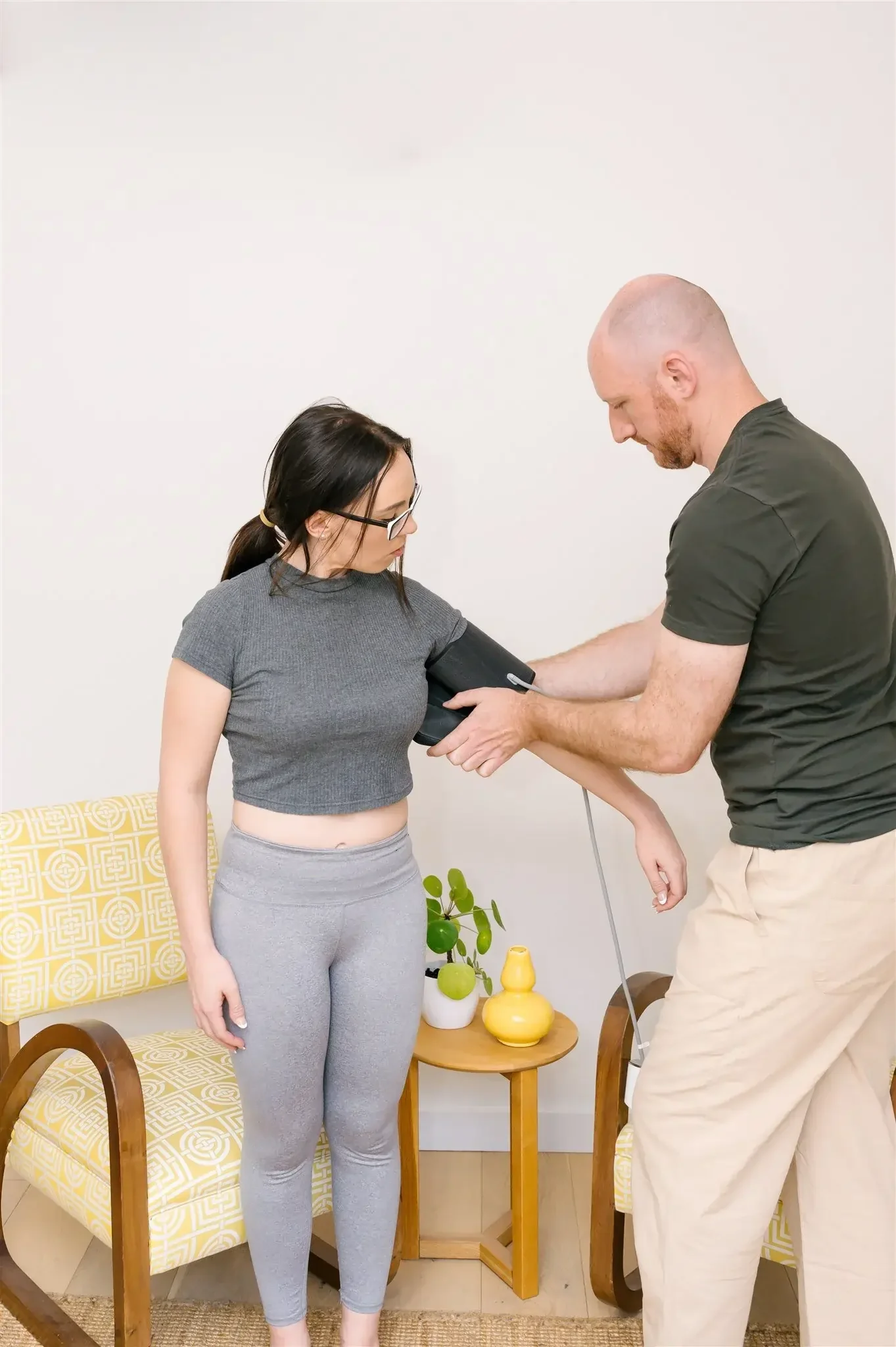
What does Long COVID look like day-to-day?
Long COVID can affect your daily life in subtle or profound ways. Some people manage reduced capacity but remain independent, while others experience a high symptom burden that limits work, study, caregiving, and social life.
If you're experiencing symptoms common among Long COVID patients, you're not alone. Whether through clinical innovation with general practitioners or managing ongoing symptoms with holistic management, you deserve support that takes your experience seriously.
Common impacts include:
Difficulty sustaining physical or mental effort
Unpredictable energy levels
Reduced confidence in the body
Emotional strain, anxiety, or low mood
Changes to identity, routines, and lifestyle

Overlap with POTS, fibromyalgia, and ME/CFS
Long COVID frequently overlaps with other conditions, including:
These conditions share similar symptoms such as fatigue, pain, cognitive dysfunction, and post-exertional malaise. Recognising overlap helps explain why some rehabilitation approaches may need to be adapted or slowed.
What is the prognosis for people with Long COVID?
Long COVID outcomes vary. Many people recover gradually over time, especially with appropriate support and pacing. Others experience symptoms that persist for several weeks, months, or longer.
Recovery is rarely linear. Periods of improvement may be followed by setbacks, particularly when activity exceeds current capacity. Support that prioritises stability, symptom awareness and gradual rebuilding can help protect progress.
Treatment options, post-COVID
Long COVID care is usually multi-layered. Some people take one approach while others take another, and some work towards recovery from both angles.
Medical care
Initial review by a GP, including blood tests and potentially antiviral treatment
Referral to a Long COVID clinic or specialists (e.g. cardiology)
Medications may help with specific symptoms in some cases
Supportive and holistic care
Many people also benefit from non-biomedical approaches that focus on symptom management, pacing, and nervous-system support, particularly when standard rehab has been difficult to tolerate
This is where my role sits
My approach
Symptom-paced rehab
Rather than structured exercise programs, I help clients understand how activity currently affects symptoms and identify safe thresholds. Movement is used carefully, flexibly, and only when appropriate.
Nervous system approaches
Long COVID often involves autonomic and nervous-system dysregulation. We use strategies to support regulation, reduce threat responses, and improve recovery after exertion.
Energy management
I help clients balance physical, mental and emotional effort within their daily energy limits, reducing boom-bust cycles and improving predictability.
Answering your Long COVID questions
-
Yes. Many people with Long COVID had mild or even asymptomatic acute COVID-19. The severity of the initial illness does not reliably predict who will develop persistent symptoms.
-
Not exactly. Some people with Long COVID meet criteria for ME/CFS, while others do not. There is overlap, particularly around fatigue and post-exertional worsening, but Long COVID remains a distinct post-viral condition.
-
For some people, exercise can worsen symptoms, especially if it triggers post-exertional symptom exacerbation. This is why I don’t prescribe exercise programs. Instead, I help clients explore symptom-paced activity that respects their current limits.
-
Ultimately, there’s no fixed timeline. Some people recover within weeks, others over several months, and some experience longer-term symptoms. Recovery is influenced by what symptoms you experience, their severity, and how you manage your activity.
-
Yes, it can. Many people experience gradual improvement, particularly with pacing, symptom awareness, and supportive care. However, progress is often uneven rather than linear, so don't feel discouraged if your symptoms fluctuate.
-
Yes, if you have a GP or specialist involved in your care, I'm more than happy to work alongside them. At the end of the day, my role complements medical management rather than replacing it.
-
Not at all. Long COVID is a multi-system condition. Nervous system involvement is common, but you're not imagining your symptoms, and they're not psychological in origin.
-
Yes. Many people I work with seek support after standard rehabilitation didn't improve, or even increased, their symptoms. My approach prioritises safety, flexibility, and symptom response rather than having you meet progression targets and sending you away. Instead, we'll work together for as long as you feel it works for you.
Support for Long COVID that meets you where you are
If you’re living with Long COVID and feel unsure how to move forward, you don’t have to keep guessing. With evidence-informed support, many people find more stability and a safer pathway back to daily life.
Book your initial appointment or a free 15-minute call to explore whether Heal & Thrive feels like the right fit for you.